The threats to your data are ramping up as cybercriminals continue to invent new ways of gaining access to systems. Disaster recovery strategies have never been more important than they are now.
It’s not just hackers that you have to worry about. It’s also natural disasters and basic human error that lead to data being compromised. This makes having a disaster recovery strategy key for every organization. Yet about one-third of businesses don’t even have a strategy in place. Given our reliance on all things digital and the threats that make headlines every week, it’s astounding that so many organizations are putting themselves in a position of high risk.
What we know now is that when data is compromised, it’s not just an emergency situation for the IT department. The impact is felt throughout the organization and will affect the customer experience, as well. Without access to rich systems of complete customer information, it’s much more difficult to be efficient and maintain a competitive advantage.
The smart approach to developing a disaster recovery plan is to get key employees from throughout the organization to be part of the strategy team. When people from different departments are involved, they are able to account for things only they know about, which will benefit the overall organization as every possibility is then accounted for.
The disaster recovery plan should include “small” things, like what happens if the internet or phones go down. It also must include “big” things, like what happens in the event that customer data is stolen. All members of the staff need to be aware of what’s in the plan and exactly what steps need to be taken in the event of power failure, natural disaster, etc.
When you have a list of items laid out in your strategy, communicating what needs to be done is easier. Furthermore, a checklist makes the complex processes less complex.
Practice makes perfect, so if you really want to be prepared for the worst, schedule regular scenarios that test your employees. Staging these drills also helps you pin down areas of your strategy that need improvement.
At Cloud Source, we’ve established a cloud-based communications solution for our clients, and safety is among our top priorities. If disaster recovery is on your mind, contact us to find out how we’re able to keep our clients safe, secure, and continuously connected.
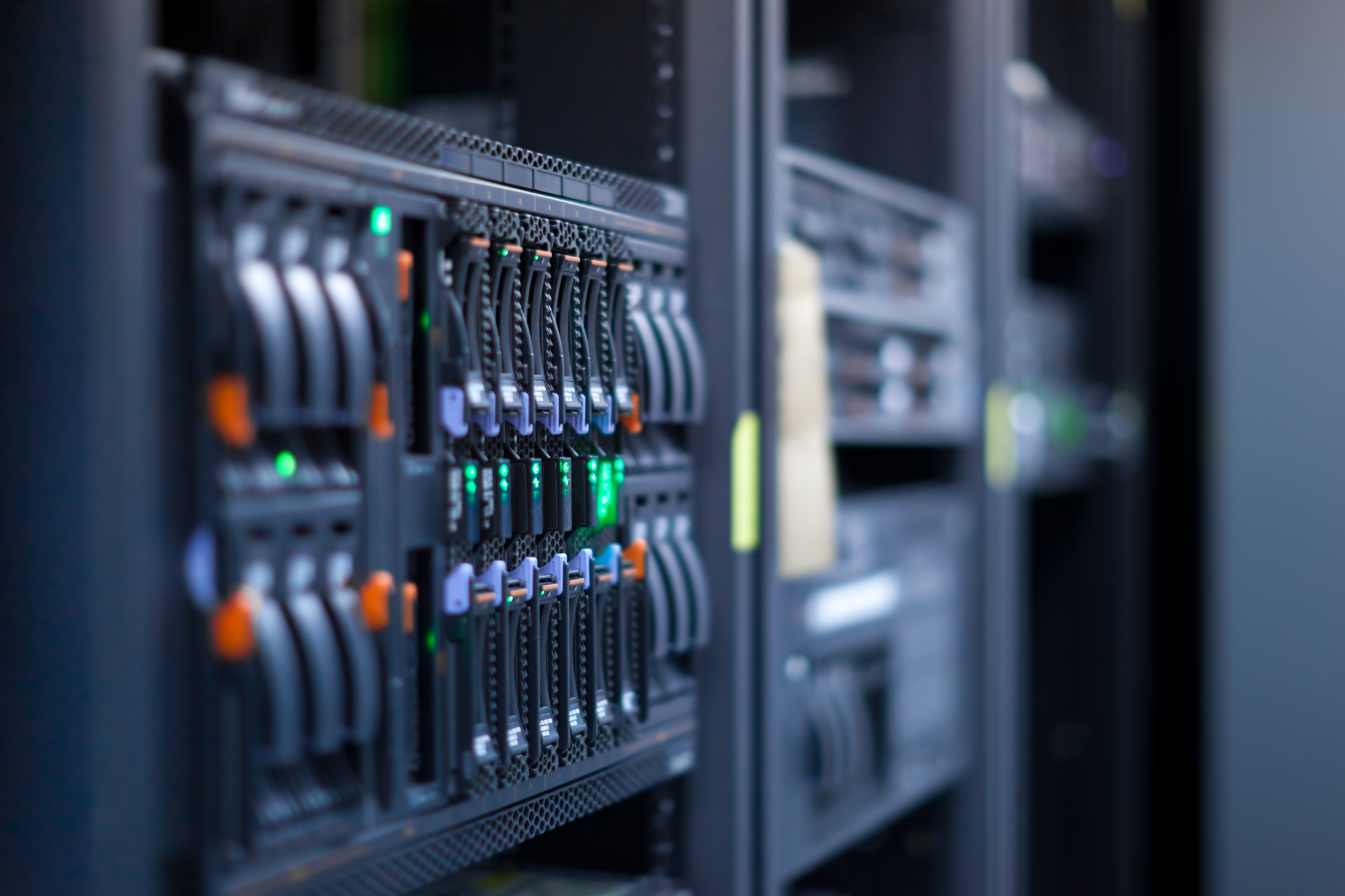 Colocation, the practice of renting space from a third-party data center, has grown in popularity over the past few years. Businesses can rent a mix of hardware, services, and software. Market research firm IDC predicts that by 2018, companies will have 65% of their IT assets hosted off-site, and 33% of their IT staff will actually be third-party employees.
 All businesses understand the concept of disaster recovery (DR), which enables the recovery and continuation of systems after something goes drastically wrong. However, small and medium-sized businesses (SMBs) are only just beginning to move towards using the cloud as a DR option. It is now becoming more affordable, cutting down on the need for physical space and IT infrastructure and resources.
 Building data center functionality for a fluctuating marketplace is difficult and costly. For that reason, many business owners are making the decision to move their company’s infrastructure to a colocation provider. By transferring the housing, maintenance, and purchasing costs of hardware to a service partner, companies can develop data centers that reduce expenses while increasing reliability and performance, which will empower business growth.
 Many businesses have cloud security concerns because of past hacking incidents. However, many of these events could have been prevented with proper cloud data backup.