 With the explosion in affordable mobile devices like smartphones, tablets, personal laptops, and even smartwatches, many businesses have or are in the process of implementing a bring your own device (BYOD) policy. Software company Code 42 reveals in their 2016 Datastrophe Study that 67% of IT decision makers and 87% of CIOs and CISOs believe that they have a clear and comprehensive policy.
However, end users do not share that belief: 67% of employees find their BYOD policy is unclear. This divide between IT professionals and end users can have consequences within the organization, especially when it comes to security.
The Increase in Employee Endpoint Devices
In the past, employees used a single device, usually one that is stationary and connected to their organization’s IT-maintained firewall. Now, however, many employees use multiple mobile devices: 26% have a minimum of two devices from their employer, and 5% have five or more.
This means that businesses need a clear, concise BYOD policy that all employees must adhere to in order to maintain a level of security. According to the Institute for Critical Infrastructure Technology, unsecure mobile devices are especially susceptible to ransomware. Backup and recovery solutions will help with this, but a clear BYOD policy will help stop problems at the endpoint — before they happen.
Working with Employees
The convenience of BYOD is one of its biggest selling points, but it also means that the devices are not under the full control of IT professionals. IT professionals need to work with employees, which means not only training them to consider security alongside flexibility, but also taking into account the habits and needs of their end users. Monitoring and tracking employee behavior will help IT understand what apps are being accessed, how safe they are, and whether or not they should be allowed within the company environment. A clear policy will also help employees understand what personal data they can mix with their business data.
Education and Communication
Uneducated employees often have bad habits that can harm a business’s security, but because they haven’t had the proper training, they don’t know that these habits can compromise their devices. Education and open communication is key to changing bad habits and improving security at all levels. At the same time, IT professionals need to be flexible so that they can adapt to ever-changing technology and the working environment.
Although it may seem like a lot of work, especially for an already established business with multiple employees, a clear BYOD policy will ensure better security and less confusion. Educating and communicating with employees will reduce the risk of ransomware at the end point and help eradicate bad habits, without sacrificing flexibility.
 Businesses need to communicate with clients, employees, and related vendors. Many businesses are looking towards Voice over Internet Protocol (VoIP) to communicate more effectively, but are unsure of the differences between Session Initiation Protocol (SIP) trunking and hosted private branch exchange (PBX). For most businesses, it isn’t so much one or the other (as hosted PBX also uses SIP) as it is whether or not the business wants a hosted solution or an on-premise solution.
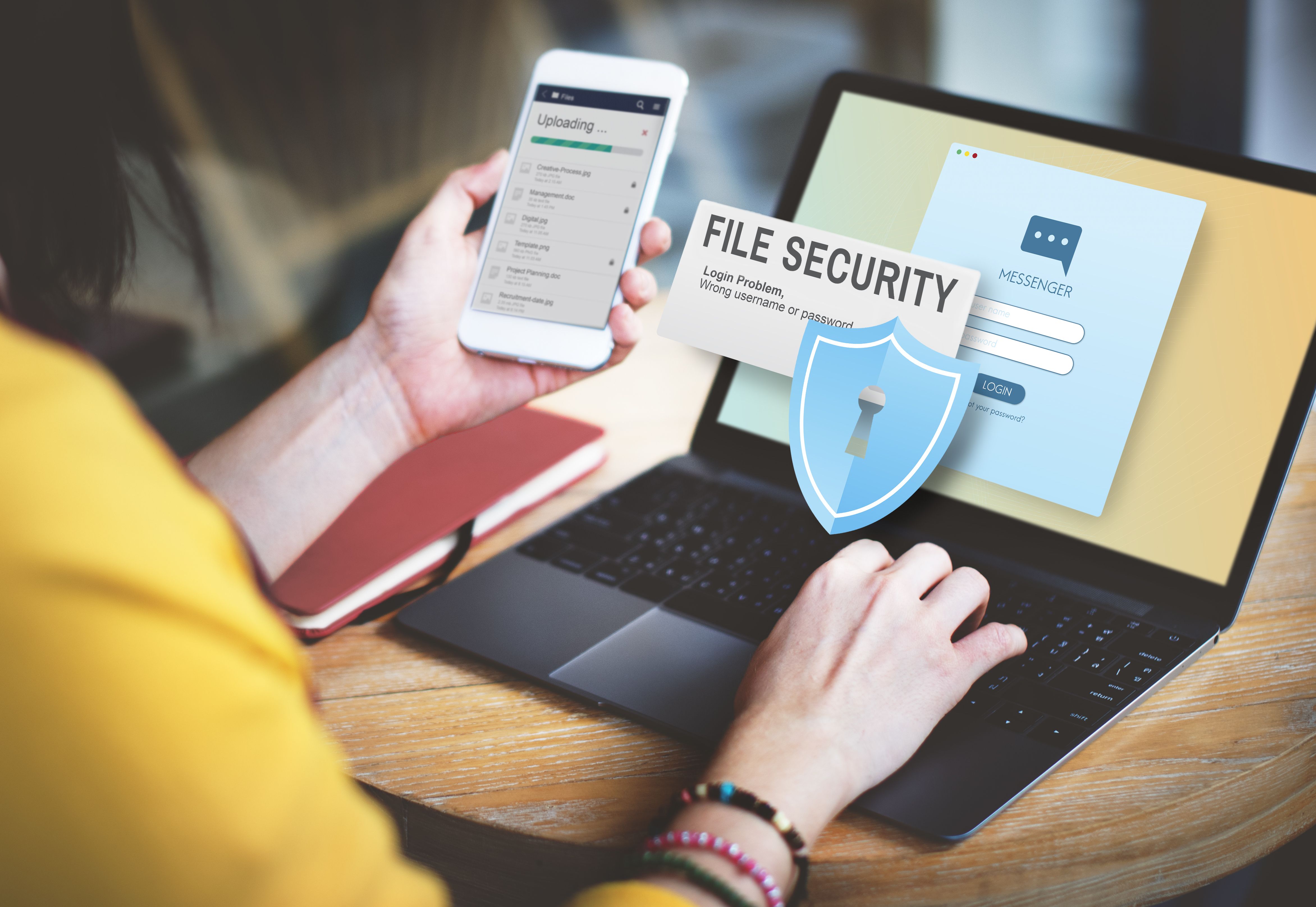 Security is and will always be a top priority for IT departments and their CIOs. The struggle for IT is that there are simply too many apps being deployed for CIOs to keep up. According to a prediction from technology research firm Gartner, by the end of 2017 the demand for mobile app development services will have increased at a rate of five times the speed at which an internal IT department can deliver.
 A small business, especially when it is just starting out, almost always has a built-in disadvantage when compared to larger companies in the same market. Bigger, more established companies simply have more resources at their disposal. It is vital that new companies work not just harder, but also smarter than the others, taking advantage of every opportunity and making the most of what resources they do have. That certainly includes capitalizing on the opportunities afforded by cloud computing technology.
 Enterprise IT today is changing dramatically. Shifts in device management, networking, and storage are just a few areas of transformation, with many others in the infancy of their evolution. A few trends have begun to rise to the top and are predicted to be significant movers in the field of enterprise storage in 2016.