For more than a decade, enterprises have been grappling with both the benefits and challenges of Big Data. While data provides meaningful insights into business processes and customer behavior, there’s just so much of it. Enterprises are turning to the cloud to achieve a scalable, manageable data solution.
As machine learning and artificial intelligence spur the increase of data both in terms of volume and variety, enterprises struggle to innovate their infrastructure and data storage and analysis solutions fast enough or with enough capacity. Even as they recognize the value that can be pulled from structured, semi-structured, and unstructured data, most of the data gathered by the typical enterprise goes unused.
Enterprises are interested in capitalizing on the investment they’ve made in data collection through the development of new revenue streams, and many are finding that the solution to Big Data is the cloud.
The cloud presents a way to process workloads in a scalable model that accommodates rapidly changing compute and storage needs. Flexible cloud data solutions allow for this kind of elasticity, which guarantees that the levels of computing and data storage necessary under different types of scenarios are available.
Scalability for Varying Data Access Requirements: For instance, some types of businesses require data workflows to process high levels of volume at certain times, such as a social media site during evening hours. These businesses need a scalable environment that allows flexibility in usage but doesn’t require them to pay for the servers and compute when they are not at these peak usage times.
E-commerce retailers are also accessing high-volume data processing and analytics in order to present customers with targeted shopping experiences that occur in real-time with personalized recommendations. A spike in website traffic always occurs on Cyber Monday, and rather than deploying a host of physical servers to support this activity on a single day, cloud data solutions allow for the necessary elasticity to accommodate the demand. After Cyber Monday, the retailer goes back to its normal usage and only pays for what it uses.
For enterprises that work in a highly regulated industry or that have a core value that celebrates consumer privacy, embracing a hybrid cloud model may be ideal. Rather than worry about data protection in the cloud, these enterprises move some workloads to the cloud while retaining sensitive workloads on-premises for heightened protection. In some cases, enterprises initially plan a full shift to the cloud but eventually recognize that a hybrid solution is the right mix of security, innovation, and cost savings.
For more information about the benefits of shifting your data storage, processing, and analysis to the cloud, contact us at Cloud Source. We can help you leverage the best solution to meet your specific business goals.
 Enterprise IT today is changing dramatically. Shifts in device management, networking, and storage are just a few areas of transformation, with many others in the infancy of their evolution. A few trends have begun to rise to the top and are predicted to be significant movers in the field of enterprise storage in 2016.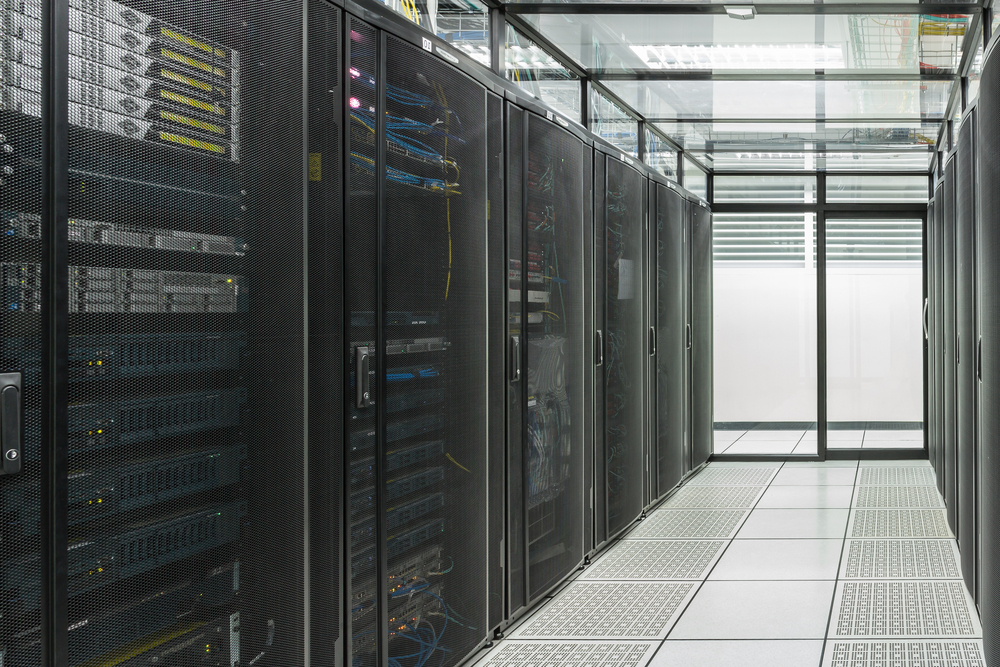
 Cloud computing has been around for a while, and in use by a variety of businesses. Why? There are many reasons to consider the cloud or hybrid cloud approach. Here are the top nine benefits to cloud computing, no matter what your business.
 Many businesses have cloud security concerns because of past hacking incidents. However, many of these events could have been prevented with proper cloud data backup.